«Ще дитиною вона обіцяла батькові, що ніколи не візьме шлюб і буде дбати про сім’ю»
Ґордана Кнежевіч
Незвичайна середньовічна практика попри все дожила до наших днів у віддалених селах в Чорногорії (і кількох інших місцях на Балканах). Традиційно, якщо глава домашнього господарства в цьому патріархальному суспільстві помирав, не залишивши спадкоємця чоловічої статі, одна з його дочок за вибором могла «стати чоловіком».
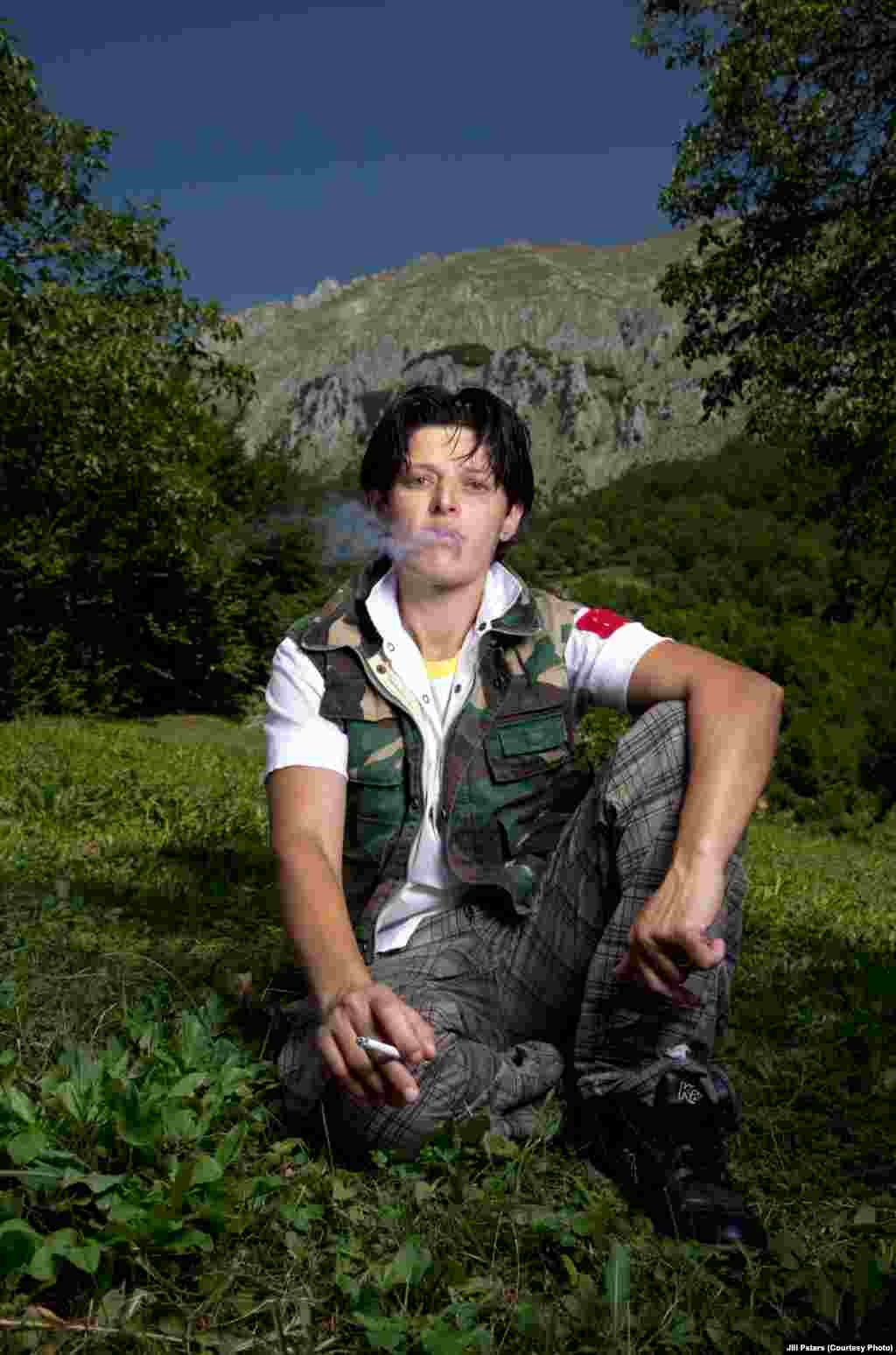
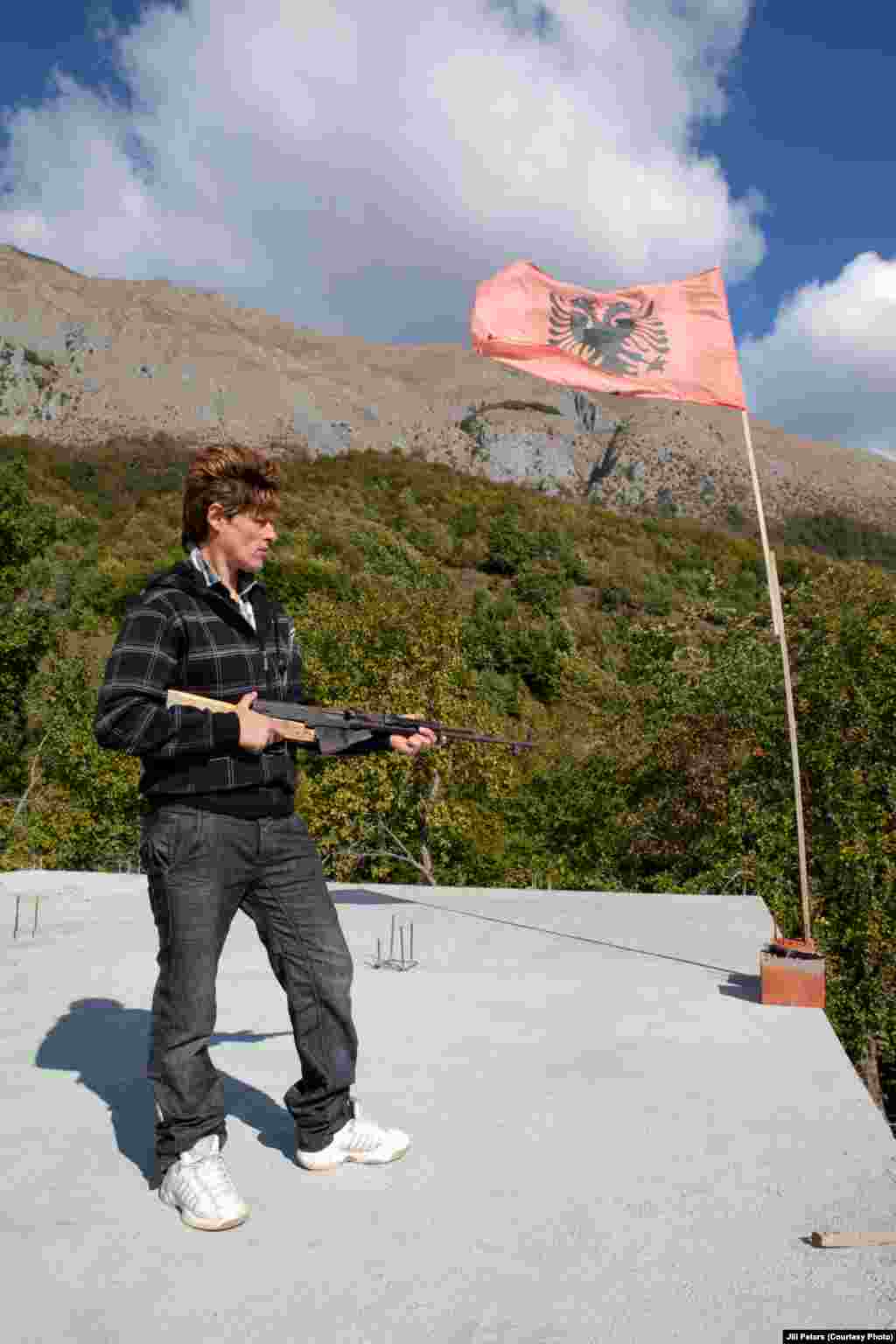
Вона одягалася, як чоловік. Їй дозволялося курити і спілкуватися з чоловіками в сільському кафе. Вона могла навіть носити зброю.
Але ці привілеї мали свою ціну. Для цього потрібно було дати обітницю дівоцтва на все життя, пообіцявши піклуватися про матір, сестер та родинне майно. У багатьох випадках це був єдиний спосіб для жінки успадковувати сімейний маєток.
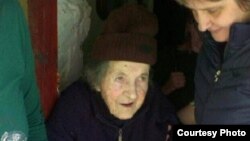
Наприкінці травня останню обітну діву Чорногорії перевезли з її села біля містечка Шавник до будинку для людей похилого віку в прибережному місті Рисан. Стана Церовіч народилася в 1936 році, вона була наймолодшою дитиною в сім’ї з п’ятьох дівчаток і двох хлопчиків, обидва з яких померли молодими.
Ще дитиною вона обіцяла батькові, що ніколи не візьме шлюб і буде замість цього дбати про сім’ю. Все своє життя вона була частиною чоловічого товариства. Вона почала курити у 5 років, працювала на батьківському полі з 7 років. Батько навчив її стріляти.
Стана ніколи не одягалася як жінка. Традиційні «жіночі» обов’язки, такі як прання і прибирання, завжди робили її сестри. Стана завжди була «чоловіком у родині».
Все своє життя Стана вважала, що вона має привілей, що була позбавлена жіночої ідентичності та жіночого життя. Насправді віра в те, що це – честь для жінки, взяти на себе роль чоловіка, і була основою дівочої обітниці, звичаю, що зберігся впродовж століть.
Але тепер у віці 80 років Стана вже не та. Вона була змушена продати більшу частину своїх корів, остання поранила її рік тому.
Нещодавно телевізійний сюжет про Стану торкнулася сердець багатьох людей в Чорногорії. Пропозиції допомоги надходили зі всієї країни. Місцева влада організувала місце для неї в будинку для літніх людей, відмовившись від пропозицій фінансової допомоги з боку громадськості.
«Це – наш обов’язок, попіклуватися про Стану», – сказав чорногорський соціальний працівник з Шавника місцевому телебаченню.
Цей архаїчний набір соціальних правил виник в гірських селах Чорногорії, на півдні Косова і на півночі Албанії в 15-му столітті. Деякі узбережжя Далмації островів також мали своїх обітних дів. Такі жінки коротко стрижуть волосся, одягаються, як чоловіки, і часто навіть змінюють свої імена. Багато переймають чоловічі манери і жести настільки, що вони стають їхньою другою натурою.
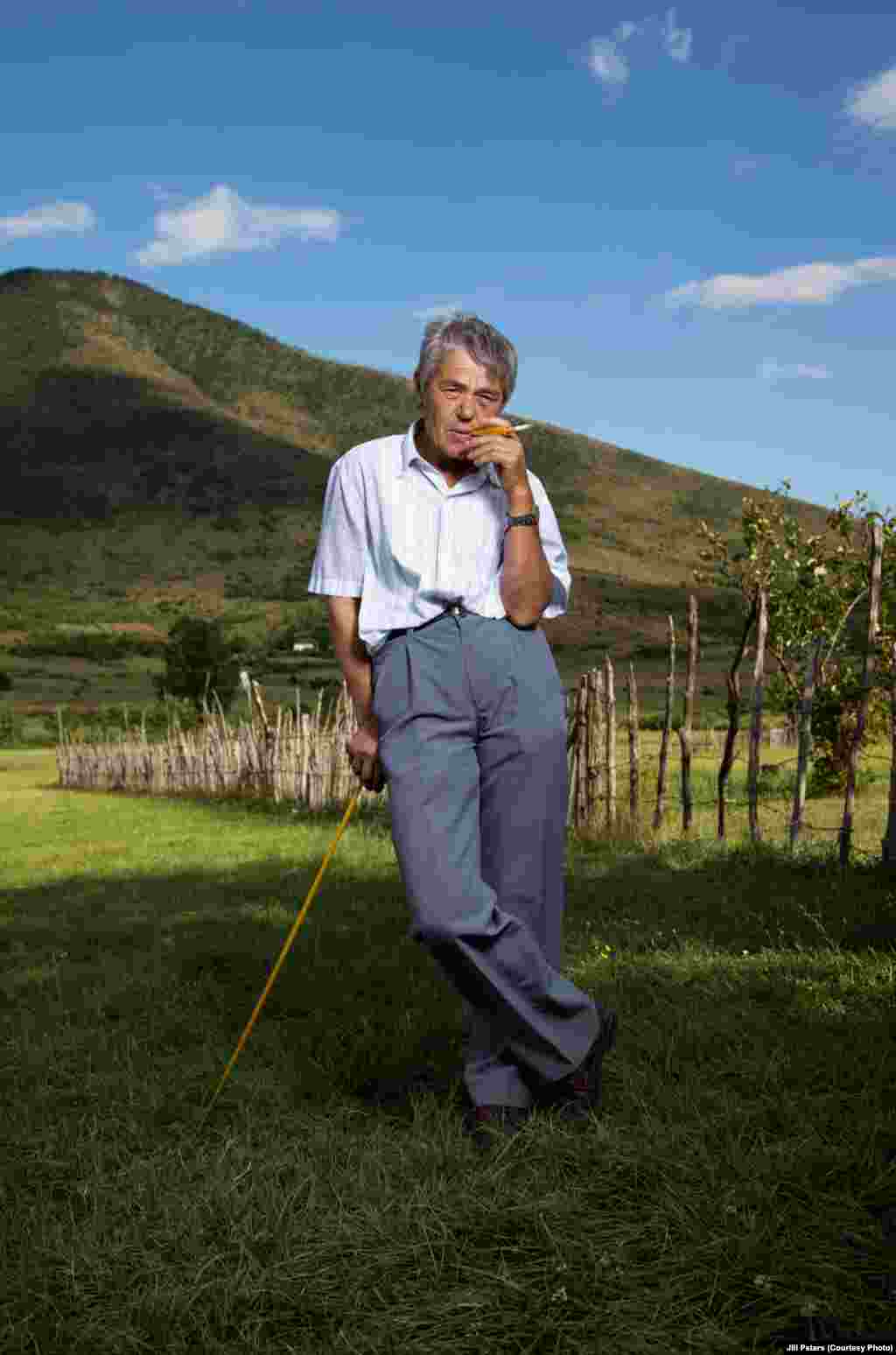
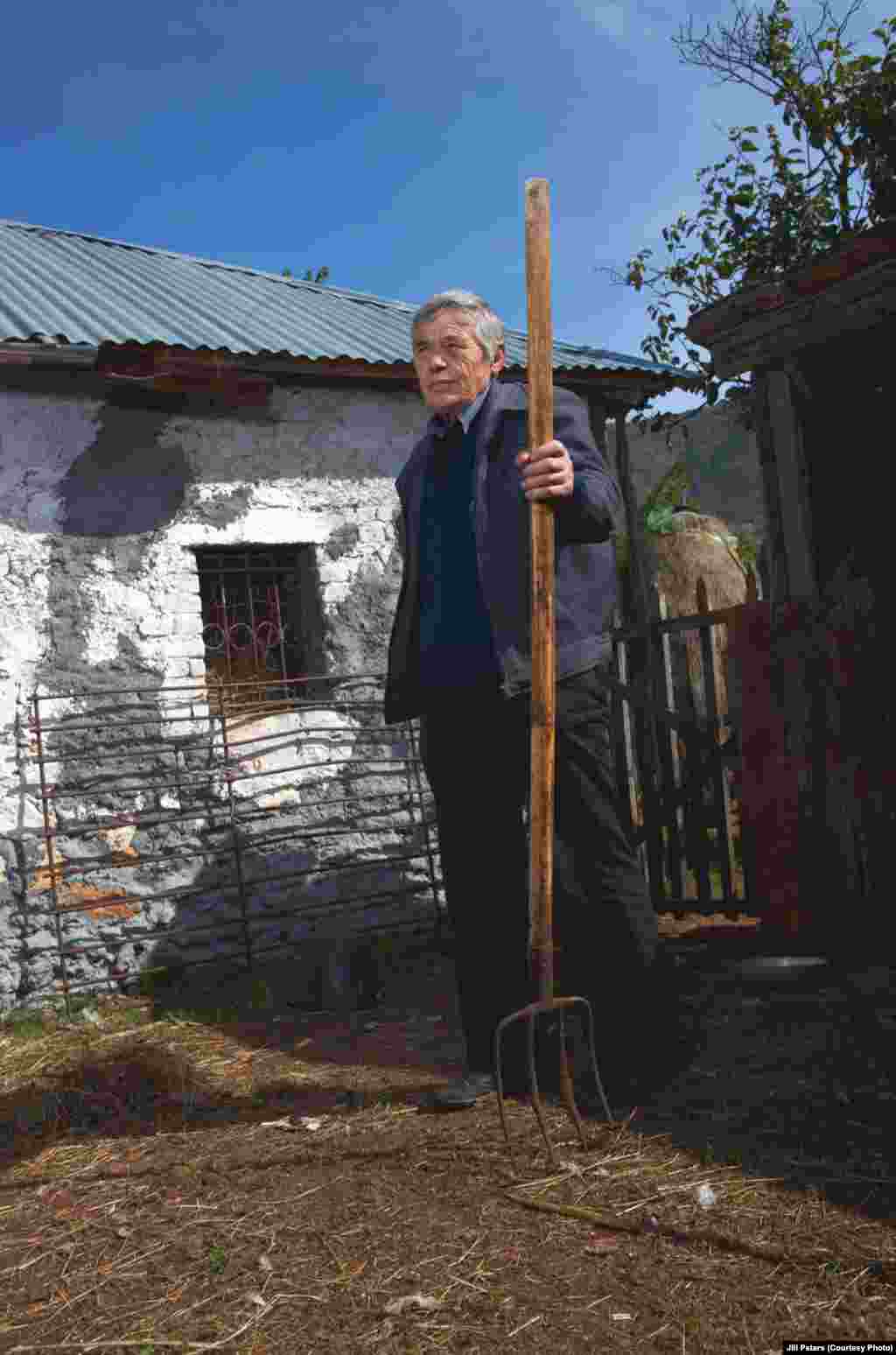
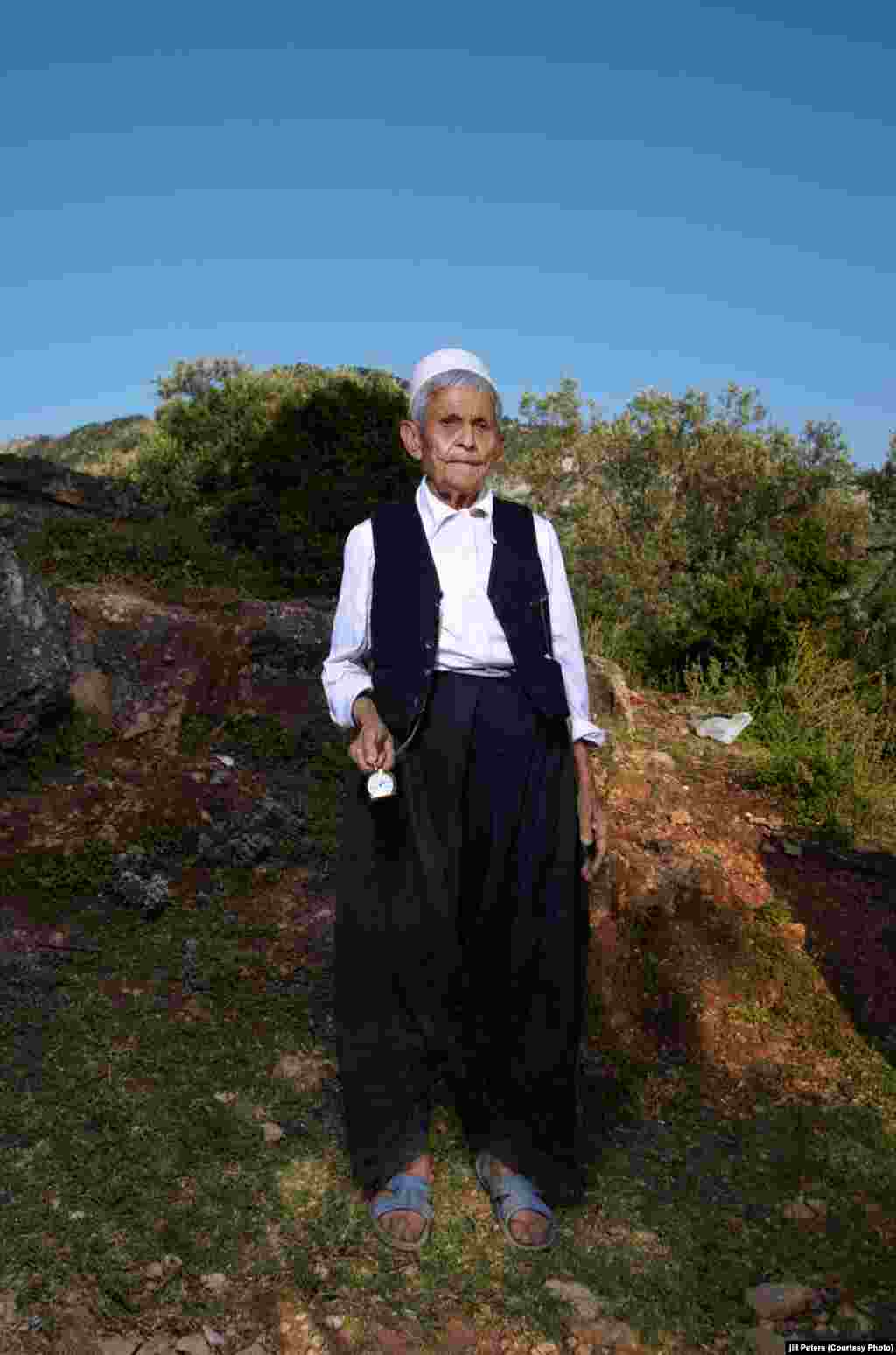
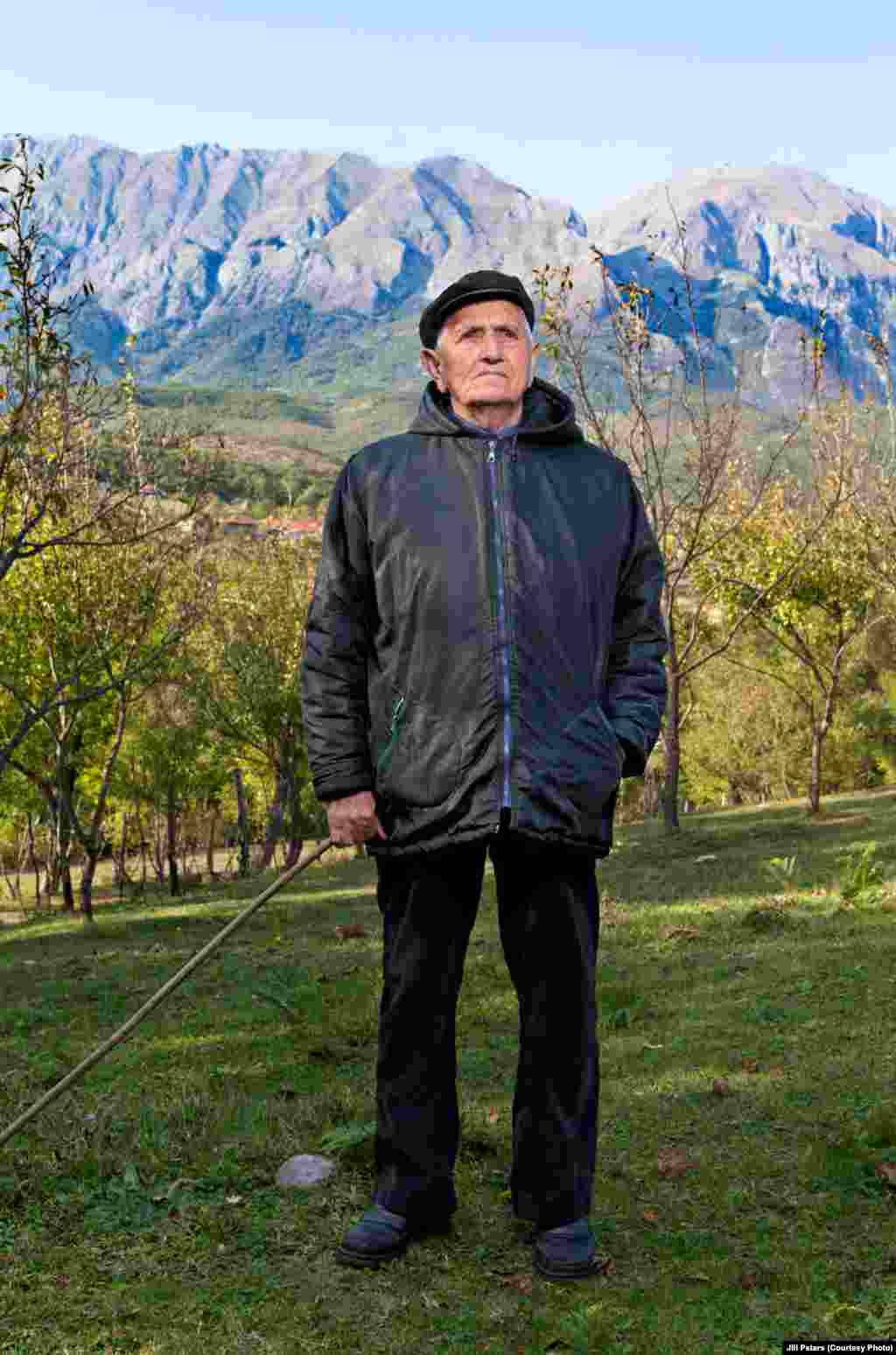
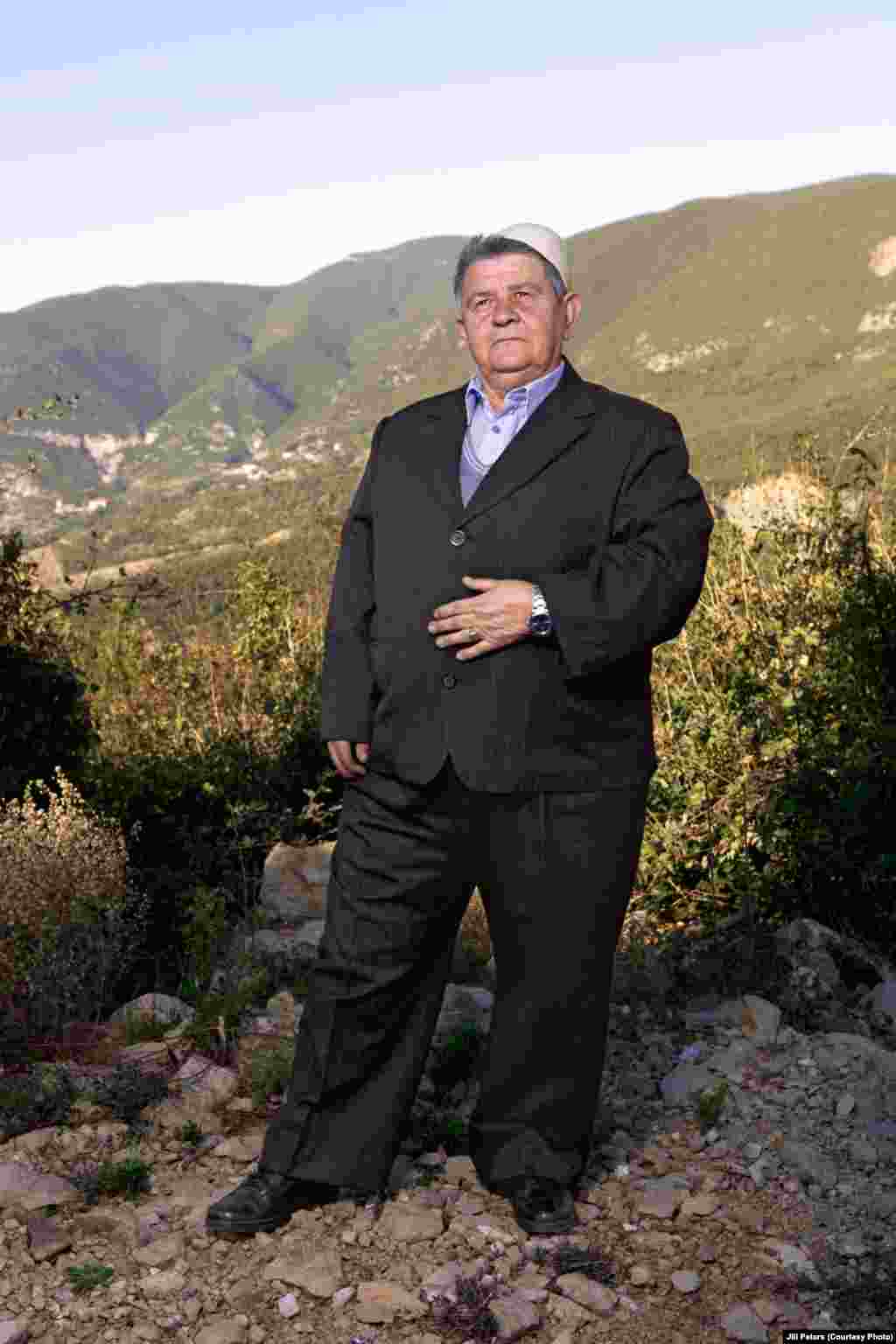
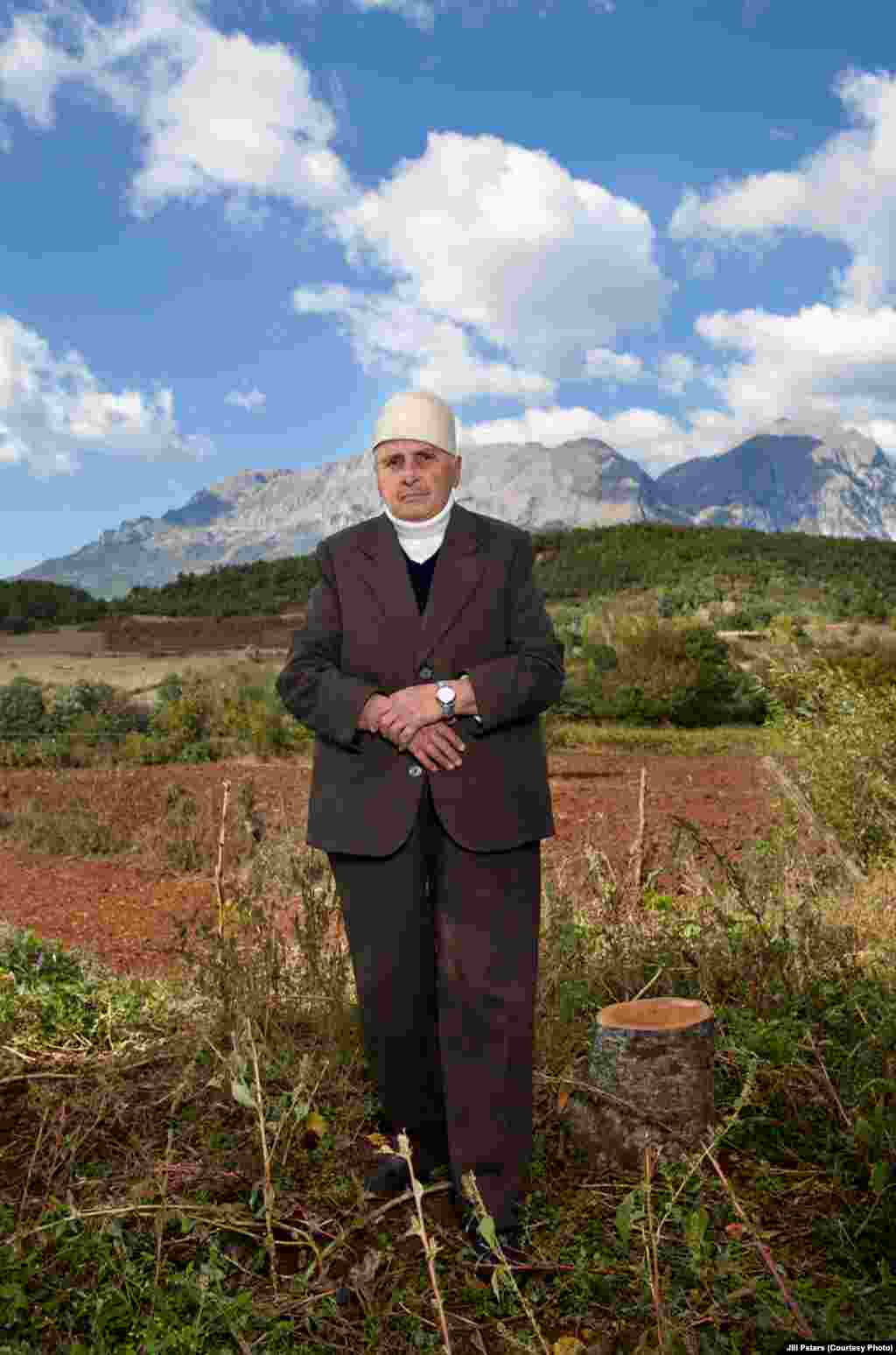
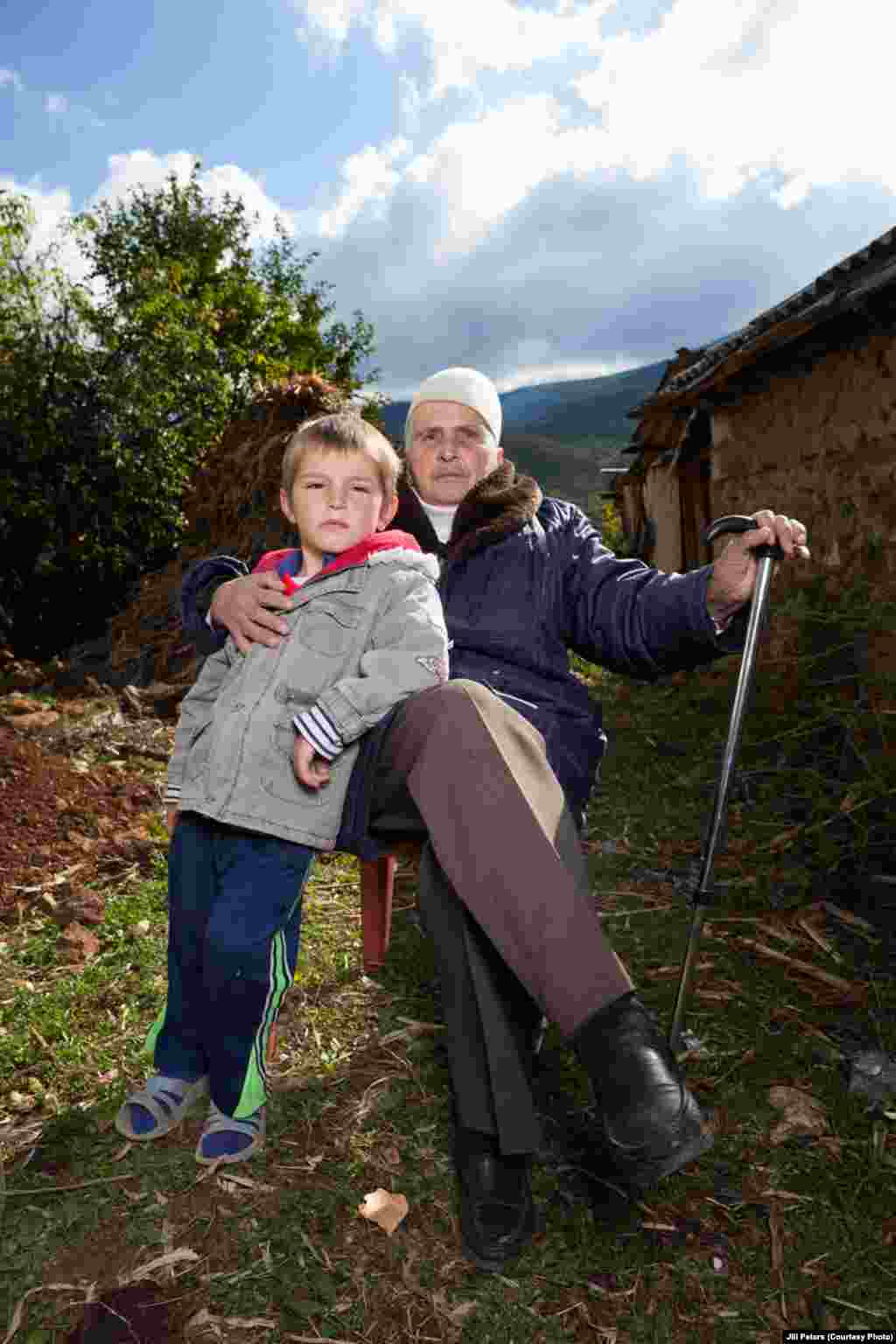
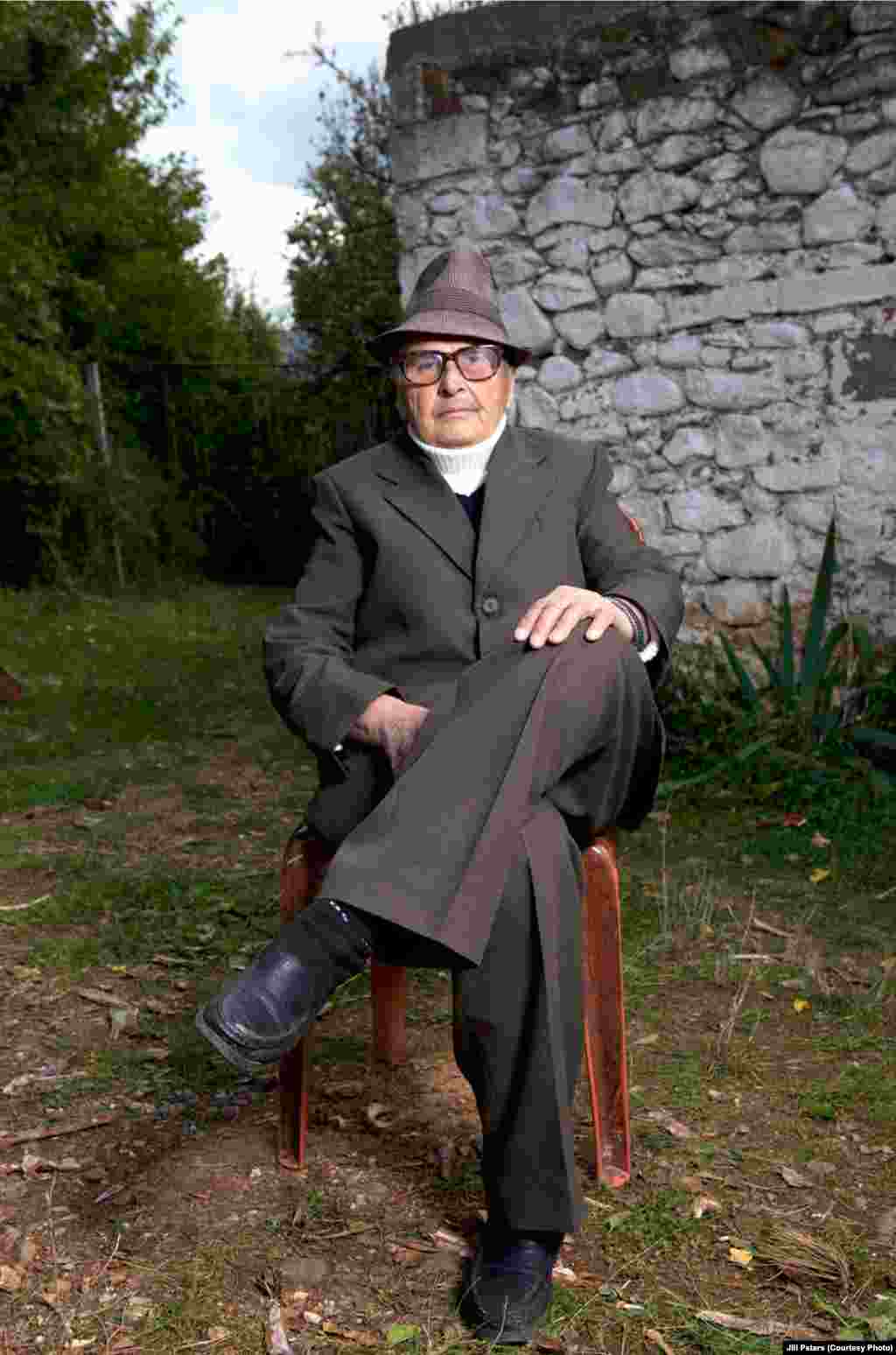
Кілька років тому фотограф США Джил Петерс вирушила до північної Албанії і зробила унікальну колекцію портретів обітних дів, щоб задокументувати це вмираюче явище.
Фотогалерея: Обітні діви Албанії
Albania's Sworn Virgins
1/10Haki
In Albania, a "sworn virgin" --> http://en.wikipedia.org/wiki/Albanian_sworn_virgins is a biological female who has chosen to take on the social identity of a man for life. It's a tradition dating back hundreds of years that still exists in the Albanian Alps, as well as to a lesser extent in other parts of the Western Balkans. The practice developed from the Kanun, an archaic patriarchal set of laws that began to be used mostly in southern Kosovo and northern Albania in the 15th century. This ancient codex states that women are the property of their husbands, which strips them of some basic rights and freedoms, such as being able to conduct business, earn money, smoke, wear a watch, or even swear out loud.
By taking an irrevocable oath to live as a sworn virgin ("burnesha" in Albanian) in front of village or tribal elders, a woman can be elevated to the status of a man, thereby becoming entitled to all the rights and privileges of the male population. Besides taking a vow of lifelong celibacy, Burnesha women usually don the trappings of masculinity to underline their transition from male to female -- cutting their hair, wearing male clothing, and sometimes even changing their names. They often adopt male mannerisms and gestures so thoroughly that they became second nature.
There are various reasons why these women would turn their backs on their birth gender. Some young women took the decision to avoid being forced into an arranged marriage, often with a much older man. In other instances, it was the only way in which a woman could inherit her family's wealth. This was particularly important in a society where blood feuds have frequently resulted in the deaths of many men, which can leave families at risk of losing all their assets with no male heir to inherit them. Some have said they became sworn virgins simply because they felt more male than female.
American photographer Jill Peters --> http://vimeo.com/70114157 has traveled to northern Albania to meet and photograph some of these women who have spent most of their lives living as men. As modernity slowly creeps into Albania's remote rural regions, the tradition of sworn virgins appears to be in terminal decline. It is estimated that there are only a few dozen aging burnesha left in the country. Consequently, Peters' photos may well provide a valuable record of a cultural phenomenon that could soon become a thing of the past. Her "Sworn Virgins Of Albania" is an ongoing project and she is also working on a documentary film --> http://vimeo.com/70114157 about this topic.
Посилання для територій, де сайт Радіо Свобода заблокований
2/10Haki 2
In Albania, a "sworn virgin" --> http://en.wikipedia.org/wiki/Albanian_sworn_virgins is a biological female who has chosen to take on the social identity of a man for life. It's a tradition dating back hundreds of years that still exists in the Albanian Alps, as well as to a lesser extent in other parts of the Western Balkans. The practice developed from the Kanun, an archaic patriarchal set of laws that began to be used mostly in southern Kosovo and northern Albania in the 15th century. This ancient codex states that women are the property of their husbands, which strips them of some basic rights and freedoms, such as being able to conduct business, earn money, smoke, wear a watch, or even swear out loud.
By taking an irrevocable oath to live as a sworn virgin ("burnesha" in Albanian) in front of village or tribal elders, a woman can be elevated to the status of a man, thereby becoming entitled to all the rights and privileges of the male population. Besides taking a vow of lifelong celibacy, Burnesha women usually don the trappings of masculinity to underline their transition from male to female -- cutting their hair, wearing male clothing, and sometimes even changing their names. They often adopt male mannerisms and gestures so thoroughly that they became second nature.
There are various reasons why these women would turn their backs on their birth gender. Some young women took the decision to avoid being forced into an arranged marriage, often with a much older man. In other instances, it was the only way in which a woman could inherit her family's wealth. This was particularly important in a society where blood feuds have frequently resulted in the deaths of many men, which can leave families at risk of losing all their assets with no male heir to inherit them. Some have said they became sworn virgins simply because they felt more male than female.
American photographer Jill Peters --> http://vimeo.com/70114157 has traveled to northern Albania to meet and photograph some of these women who have spent most of their lives living as men. As modernity slowly creeps into Albania's remote rural regions, the tradition of sworn virgins appears to be in terminal decline. It is estimated that there are only a few dozen aging burnesha left in the country. Consequently, Peters' photos may well provide a valuable record of a cultural phenomenon that could soon become a thing of the past. Her "Sworn Virgins Of Albania" is an ongoing project and she is also working on a documentary film --> http://vimeo.com/70114157 about this topic.
Посилання для територій, де сайт Радіо Свобода заблокований
3/10Xamille
In Albania, a "sworn virgin" --> http://en.wikipedia.org/wiki/Albanian_sworn_virgins is a biological female who has chosen to take on the social identity of a man for life. It's a tradition dating back hundreds of years that still exists in the Albanian Alps, as well as to a lesser extent in other parts of the Western Balkans. The practice developed from the Kanun, an archaic patriarchal set of laws that began to be used mostly in southern Kosovo and northern Albania in the 15th century. This ancient codex states that women are the property of their husbands, which strips them of some basic rights and freedoms, such as being able to conduct business, earn money, smoke, wear a watch, or even swear out loud.
By taking an irrevocable oath to live as a sworn virgin ("burnesha" in Albanian) in front of village or tribal elders, a woman can be elevated to the status of a man, thereby becoming entitled to all the rights and privileges of the male population. Besides taking a vow of lifelong celibacy, Burnesha women usually don the trappings of masculinity to underline their transition from male to female -- cutting their hair, wearing male clothing, and sometimes even changing their names. They often adopt male mannerisms and gestures so thoroughly that they became second nature.
There are various reasons why these women would turn their backs on their birth gender. Some young women took the decision to avoid being forced into an arranged marriage, often with a much older man. In other instances, it was the only way in which a woman could inherit her family's wealth. This was particularly important in a society where blood feuds have frequently resulted in the deaths of many men, which can leave families at risk of losing all their assets with no male heir to inherit them. Some have said they became sworn virgins simply because they felt more male than female.
American photographer Jill Peters --> http://vimeo.com/70114157 has traveled to northern Albania to meet and photograph some of these women who have spent most of their lives living as men. As modernity slowly creeps into Albania's remote rural regions, the tradition of sworn virgins appears to be in terminal decline. It is estimated that there are only a few dozen aging burnesha left in the country. Consequently, Peters' photos may well provide a valuable record of a cultural phenomenon that could soon become a thing of the past. Her "Sworn Virgins Of Albania" is an ongoing project and she is also working on a documentary film --> http://vimeo.com/70114157 about this topic.
Посилання для територій, де сайт Радіо Свобода заблокований
4/10Skhurtan
In Albania, a "sworn virgin" --> http://en.wikipedia.org/wiki/Albanian_sworn_virgins is a biological female who has chosen to take on the social identity of a man for life. It's a tradition dating back hundreds of years that still exists in the Albanian Alps, as well as to a lesser extent in other parts of the Western Balkans. The practice developed from the Kanun, an archaic patriarchal set of laws that began to be used mostly in southern Kosovo and northern Albania in the 15th century. This ancient codex states that women are the property of their husbands, which strips them of some basic rights and freedoms, such as being able to conduct business, earn money, smoke, wear a watch, or even swear out loud.
By taking an irrevocable oath to live as a sworn virgin ("burnesha" in Albanian) in front of village or tribal elders, a woman can be elevated to the status of a man, thereby becoming entitled to all the rights and privileges of the male population. Besides taking a vow of lifelong celibacy, Burnesha women usually don the trappings of masculinity to underline their transition from male to female -- cutting their hair, wearing male clothing, and sometimes even changing their names. They often adopt male mannerisms and gestures so thoroughly that they became second nature.
There are various reasons why these women would turn their backs on their birth gender. Some young women took the decision to avoid being forced into an arranged marriage, often with a much older man. In other instances, it was the only way in which a woman could inherit her family's wealth. This was particularly important in a society where blood feuds have frequently resulted in the deaths of many men, which can leave families at risk of losing all their assets with no male heir to inherit them. Some have said they became sworn virgins simply because they felt more male than female.
American photographer Jill Peters --> http://vimeo.com/70114157 has traveled to northern Albania to meet and photograph some of these women who have spent most of their lives living as men. As modernity slowly creeps into Albania's remote rural regions, the tradition of sworn virgins appears to be in terminal decline. It is estimated that there are only a few dozen aging burnesha left in the country. Consequently, Peters' photos may well provide a valuable record of a cultural phenomenon that could soon become a thing of the past. Her "Sworn Virgins Of Albania" is an ongoing project and she is also working on a documentary film --> http://vimeo.com/70114157 about this topic.
Посилання для територій, де сайт Радіо Свобода заблокований
5/10Mark
In Albania, a "sworn virgin" --> http://en.wikipedia.org/wiki/Albanian_sworn_virgins is a biological female who has chosen to take on the social identity of a man for life. It's a tradition dating back hundreds of years that still exists in the Albanian Alps, as well as to a lesser extent in other parts of the Western Balkans. The practice developed from the Kanun, an archaic patriarchal set of laws that began to be used mostly in southern Kosovo and northern Albania in the 15th century. This ancient codex states that women are the property of their husbands, which strips them of some basic rights and freedoms, such as being able to conduct business, earn money, smoke, wear a watch, or even swear out loud.
By taking an irrevocable oath to live as a sworn virgin ("burnesha" in Albanian) in front of village or tribal elders, a woman can be elevated to the status of a man, thereby becoming entitled to all the rights and privileges of the male population. Besides taking a vow of lifelong celibacy, Burnesha women usually don the trappings of masculinity to underline their transition from male to female -- cutting their hair, wearing male clothing, and sometimes even changing their names. They often adopt male mannerisms and gestures so thoroughly that they became second nature.
There are various reasons why these women would turn their backs on their birth gender. Some young women took the decision to avoid being forced into an arranged marriage, often with a much older man. In other instances, it was the only way in which a woman could inherit her family's wealth. This was particularly important in a society where blood feuds have frequently resulted in the deaths of many men, which can leave families at risk of losing all their assets with no male heir to inherit them. Some have said they became sworn virgins simply because they felt more male than female.
American photographer Jill Peters --> http://vimeo.com/70114157 has traveled to northern Albania to meet and photograph some of these women who have spent most of their lives living as men. As modernity slowly creeps into Albania's remote rural regions, the tradition of sworn virgins appears to be in terminal decline. It is estimated that there are only a few dozen aging burnesha left in the country. Consequently, Peters' photos may well provide a valuable record of a cultural phenomenon that could soon become a thing of the past. Her "Sworn Virgins Of Albania" is an ongoing project and she is also working on a documentary film --> http://vimeo.com/70114157 about this topic.
Посилання для територій, де сайт Радіо Свобода заблокований
6/10Lumia
In Albania, a "sworn virgin" --> http://en.wikipedia.org/wiki/Albanian_sworn_virgins is a biological female who has chosen to take on the social identity of a man for life. It's a tradition dating back hundreds of years that still exists in the Albanian Alps, as well as to a lesser extent in other parts of the Western Balkans. The practice developed from the Kanun, an archaic patriarchal set of laws that began to be used mostly in southern Kosovo and northern Albania in the 15th century. This ancient codex states that women are the property of their husbands, which strips them of some basic rights and freedoms, such as being able to conduct business, earn money, smoke, wear a watch, or even swear out loud.
By taking an irrevocable oath to live as a sworn virgin ("burnesha" in Albanian) in front of village or tribal elders, a woman can be elevated to the status of a man, thereby becoming entitled to all the rights and privileges of the male population. Besides taking a vow of lifelong celibacy, Burnesha women usually don the trappings of masculinity to underline their transition from male to female -- cutting their hair, wearing male clothing, and sometimes even changing their names. They often adopt male mannerisms and gestures so thoroughly that they became second nature.
There are various reasons why these women would turn their backs on their birth gender. Some young women took the decision to avoid being forced into an arranged marriage, often with a much older man. In other instances, it was the only way in which a woman could inherit her family's wealth. This was particularly important in a society where blood feuds have frequently resulted in the deaths of many men, which can leave families at risk of losing all their assets with no male heir to inherit them. Some have said they became sworn virgins simply because they felt more male than female.
American photographer Jill Peters --> http://vimeo.com/70114157 has traveled to northern Albania to meet and photograph some of these women who have spent most of their lives living as men. As modernity slowly creeps into Albania's remote rural regions, the tradition of sworn virgins appears to be in terminal decline. It is estimated that there are only a few dozen aging burnesha left in the country. Consequently, Peters' photos may well provide a valuable record of a cultural phenomenon that could soon become a thing of the past. Her "Sworn Virgins Of Albania" is an ongoing project and she is also working on a documentary film --> http://vimeo.com/70114157 about this topic.
Посилання для територій, де сайт Радіо Свобода заблокований
7/10Lumia 2
In Albania, a "sworn virgin" --> http://en.wikipedia.org/wiki/Albanian_sworn_virgins is a biological female who has chosen to take on the social identity of a man for life. It's a tradition dating back hundreds of years that still exists in the Albanian Alps, as well as to a lesser extent in other parts of the Western Balkans. The practice developed from the Kanun, an archaic patriarchal set of laws that began to be used mostly in southern Kosovo and northern Albania in the 15th century. This ancient codex states that women are the property of their husbands, which strips them of some basic rights and freedoms, such as being able to conduct business, earn money, smoke, wear a watch, or even swear out loud.
By taking an irrevocable oath to live as a sworn virgin ("burnesha" in Albanian) in front of village or tribal elders, a woman can be elevated to the status of a man, thereby becoming entitled to all the rights and privileges of the male population. Besides taking a vow of lifelong celibacy, Burnesha women usually don the trappings of masculinity to underline their transition from male to female -- cutting their hair, wearing male clothing, and sometimes even changing their names. They often adopt male mannerisms and gestures so thoroughly that they became second nature.
There are various reasons why these women would turn their backs on their birth gender. Some young women took the decision to avoid being forced into an arranged marriage, often with a much older man. In other instances, it was the only way in which a woman could inherit her family's wealth. This was particularly important in a society where blood feuds have frequently resulted in the deaths of many men, which can leave families at risk of losing all their assets with no male heir to inherit them. Some have said they became sworn virgins simply because they felt more male than female.
American photographer Jill Peters --> http://vimeo.com/70114157 has traveled to northern Albania to meet and photograph some of these women who have spent most of their lives living as men. As modernity slowly creeps into Albania's remote rural regions, the tradition of sworn virgins appears to be in terminal decline. It is estimated that there are only a few dozen aging burnesha left in the country. Consequently, Peters' photos may well provide a valuable record of a cultural phenomenon that could soon become a thing of the past. Her "Sworn Virgins Of Albania" is an ongoing project and she is also working on a documentary film --> http://vimeo.com/70114157 about this topic.
Посилання для територій, де сайт Радіо Свобода заблокований
8/10Hajdari
In Albania, a "sworn virgin" --> http://en.wikipedia.org/wiki/Albanian_sworn_virgins is a biological female who has chosen to take on the social identity of a man for life. It's a tradition dating back hundreds of years that still exists in the Albanian Alps, as well as to a lesser extent in other parts of the Western Balkans. The practice developed from the Kanun, an archaic patriarchal set of laws that began to be used mostly in southern Kosovo and northern Albania in the 15th century. This ancient codex states that women are the property of their husbands, which strips them of some basic rights and freedoms, such as being able to conduct business, earn money, smoke, wear a watch, or even swear out loud.
By taking an irrevocable oath to live as a sworn virgin ("burnesha" in Albanian) in front of village or tribal elders, a woman can be elevated to the status of a man, thereby becoming entitled to all the rights and privileges of the male population. Besides taking a vow of lifelong celibacy, Burnesha women usually don the trappings of masculinity to underline their transition from male to female -- cutting their hair, wearing male clothing, and sometimes even changing their names. They often adopt male mannerisms and gestures so thoroughly that they became second nature.
There are various reasons why these women would turn their backs on their birth gender. Some young women took the decision to avoid being forced into an arranged marriage, often with a much older man. In other instances, it was the only way in which a woman could inherit her family's wealth. This was particularly important in a society where blood feuds have frequently resulted in the deaths of many men, which can leave families at risk of losing all their assets with no male heir to inherit them. Some have said they became sworn virgins simply because they felt more male than female.
American photographer Jill Peters --> http://vimeo.com/70114157 has traveled to northern Albania to meet and photograph some of these women who have spent most of their lives living as men. As modernity slowly creeps into Albania's remote rural regions, the tradition of sworn virgins appears to be in terminal decline. It is estimated that there are only a few dozen aging burnesha left in the country. Consequently, Peters' photos may well provide a valuable record of a cultural phenomenon that could soon become a thing of the past. Her "Sworn Virgins Of Albania" is an ongoing project and she is also working on a documentary film --> http://vimeo.com/70114157 about this topic.
Посилання для територій, де сайт Радіо Свобода заблокований
9/10Hajdari 2
In Albania, a "sworn virgin" --> http://en.wikipedia.org/wiki/Albanian_sworn_virgins is a biological female who has chosen to take on the social identity of a man for life. It's a tradition dating back hundreds of years that still exists in the Albanian Alps, as well as to a lesser extent in other parts of the Western Balkans. The practice developed from the Kanun, an archaic patriarchal set of laws that began to be used mostly in southern Kosovo and northern Albania in the 15th century. This ancient codex states that women are the property of their husbands, which strips them of some basic rights and freedoms, such as being able to conduct business, earn money, smoke, wear a watch, or even swear out loud.
By taking an irrevocable oath to live as a sworn virgin ("burnesha" in Albanian) in front of village or tribal elders, a woman can be elevated to the status of a man, thereby becoming entitled to all the rights and privileges of the male population. Besides taking a vow of lifelong celibacy, Burnesha women usually don the trappings of masculinity to underline their transition from male to female -- cutting their hair, wearing male clothing, and sometimes even changing their names. They often adopt male mannerisms and gestures so thoroughly that they became second nature.
There are various reasons why these women would turn their backs on their birth gender. Some young women took the decision to avoid being forced into an arranged marriage, often with a much older man. In other instances, it was the only way in which a woman could inherit her family's wealth. This was particularly important in a society where blood feuds have frequently resulted in the deaths of many men, which can leave families at risk of losing all their assets with no male heir to inherit them. Some have said they became sworn virgins simply because they felt more male than female.
American photographer Jill Peters --> http://vimeo.com/70114157 has traveled to northern Albania to meet and photograph some of these women who have spent most of their lives living as men. As modernity slowly creeps into Albania's remote rural regions, the tradition of sworn virgins appears to be in terminal decline. It is estimated that there are only a few dozen aging burnesha left in the country. Consequently, Peters' photos may well provide a valuable record of a cultural phenomenon that could soon become a thing of the past. Her "Sworn Virgins Of Albania" is an ongoing project and she is also working on a documentary film --> http://vimeo.com/70114157 about this topic.
Посилання для територій, де сайт Радіо Свобода заблокований
10/10Hajdari 3
In Albania, a "sworn virgin" --> http://en.wikipedia.org/wiki/Albanian_sworn_virgins is a biological female who has chosen to take on the social identity of a man for life. It's a tradition dating back hundreds of years that still exists in the Albanian Alps, as well as to a lesser extent in other parts of the Western Balkans. The practice developed from the Kanun, an archaic patriarchal set of laws that began to be used mostly in southern Kosovo and northern Albania in the 15th century. This ancient codex states that women are the property of their husbands, which strips them of some basic rights and freedoms, such as being able to conduct business, earn money, smoke, wear a watch, or even swear out loud.
By taking an irrevocable oath to live as a sworn virgin ("burnesha" in Albanian) in front of village or tribal elders, a woman can be elevated to the status of a man, thereby becoming entitled to all the rights and privileges of the male population. Besides taking a vow of lifelong celibacy, Burnesha women usually don the trappings of masculinity to underline their transition from male to female -- cutting their hair, wearing male clothing, and sometimes even changing their names. They often adopt male mannerisms and gestures so thoroughly that they became second nature.
There are various reasons why these women would turn their backs on their birth gender. Some young women took the decision to avoid being forced into an arranged marriage, often with a much older man. In other instances, it was the only way in which a woman could inherit her family's wealth. This was particularly important in a society where blood feuds have frequently resulted in the deaths of many men, which can leave families at risk of losing all their assets with no male heir to inherit them. Some have said they became sworn virgins simply because they felt more male than female.
American photographer Jill Peters --> http://vimeo.com/70114157 has traveled to northern Albania to meet and photograph some of these women who have spent most of their lives living as men. As modernity slowly creeps into Albania's remote rural regions, the tradition of sworn virgins appears to be in terminal decline. It is estimated that there are only a few dozen aging burnesha left in the country. Consequently, Peters' photos may well provide a valuable record of a cultural phenomenon that could soon become a thing of the past. Her "Sworn Virgins Of Albania" is an ongoing project and she is also working on a documentary film --> http://vimeo.com/70114157 about this topic.
Посилання для територій, де сайт Радіо Свобода заблокований
Назад
Вперед
Звичай ще живий в Албанії, але вже помер в Далмації і Боснії і тепер доживає останні дні в Чорногорії.
Роман албанської письменниці Ельвіри Донеш «Обітна діва», що вийшов у 2007 році, розповідає про життя однієї такої жінки, якій за допомогою сестри вдається відновити зв’язок із її жіночою ідентичністю. В 2015 році італійська режисерка Лаура Біспурі екранізувала цю історію.
На відміну від героїні роману Донеш, Стана, здається, ні про що не шкодує. Її останнє бажання, за її словами, – щоб на її могилі було написано, що вона є єдиним сином свого батька, який залишився в живих.